


Why NFT Ownership Is Often More Valuable Than Selling
For many users, NFTs are still primarily associated with quick profits and speculative trading. However, as the NFT market matures, this perception is gradually changing. An increasing number of participants now view NFTs not as assets to flip, but as digital property worth holding long term. In many cases, owning an NFT can be more valuable than selling it — even when a profitable exit is available.
Market observations suggest that around 20–35% of NFT holders prioritize ownership over resale. In top-tier collections, where rarity, community strength, and long-term vision matter, this share can rise to 40–50%. These holders see value beyond short-term price action gamesua insider..
NFT Ownership as Digital Property
Unlike traditional financial instruments, NFTs combine economic value with cultural, social, and emotional significance. An NFT is not simply a token listed for sale — it represents:
- verifiable digital ownership

- a unique digital collectible
- a permanent on-chain record
- participation in a specific digital ecosystem
For many collectors, selling an NFT means more than realizing profit. It often means losing a piece of digital identity, status, or long-term positioning within a community.
Community and Status as Core Value Drivers
One of the strongest incentives to hold NFTs is community access. Many established NFT projects offer exclusive benefits to holders, such as:
- access to private Discord or Telegram groups
- early participation in new drops or features
- governance rights and voting mechanisms
- recognition and reputation within the Web3 space
In this context, NFTs function as membership assets. Ownership unlocks ongoing privileges, while selling removes access entirely. For many users, these benefits outweigh short-term financial gains.
Rarity and Holder Psychology
Rarity plays a critical role in long-term NFT holding behavior. The rarer an NFT, the less likely its owner is to sell it. One-of-one pieces and low-supply NFTs are often treated similarly to fine art or high-end collectibles.
This behavior is driven by holder psychology. Assets perceived as historically, culturally, or symbolically significant are more likely to be held, even during periods of high market demand. Owners often believe that true value will emerge over time rather than during short-term hype cycles.
Utility NFTs: Value Beyond Visual Appeal
Another major factor supporting long-term ownership is utility. Utility-based NFTs provide ongoing benefits, such as:
- in-game items or characters
- access to platforms or services
- digital rewards or premium features
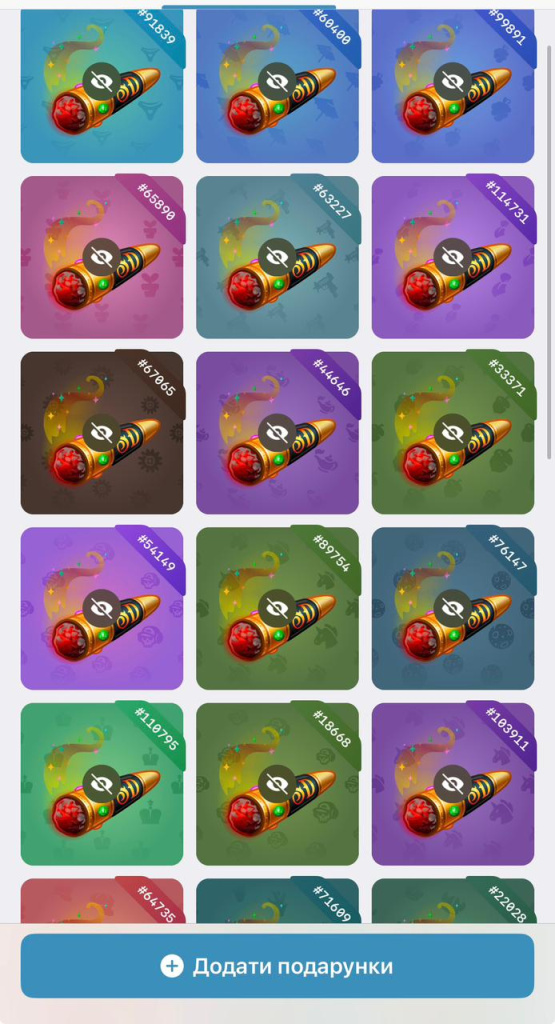
- Telegram gifts and digital collectibles
When an NFT provides continuous utility, selling it can result in the loss of recurring advantages. In such cases, holding the NFT becomes a strategic decision rather than speculative behavior.
When Selling an NFT Makes Sense
Despite the advantages of holding, selling an NFT can be the right choice under certain conditions:
- the project loses active development
- community engagement declines
- promised utility is removed or weakened
- the market enters an unsustainable hype phase
Experienced NFT participants often distinguish between short-term speculative assets and long-term value NFTs. Decisions are based on fundamentals, not emotions or temporary price movements.
The Future of NFT Ownership
NFTs are gradually evolving from experimental digital assets into a new form of ownership in the digital economy. As blockchain adoption grows, NFTs with strong communities, clear utility, and limited supply are increasingly viewed as long-term assets.
Ownership is no longer solely about profit. It is about identity, access, and sustained participation in digital ecosystems.
Conclusion
NFTs are not only about buying and selling. For a growing segment of the market, ownership itself is the core value. As the ecosystem matures, long-term holding, utility-driven value, and meaningful digital ownership are becoming central strategies in the NFT space.