

How NFT Gifts on TON Work: Launch Mechanics, Artificial Scarcity, and Market Control
For many participants, the NFT gift market on Telegram built on the TON blockchain looks simple: buy early, wait, and sell higher. In reality, the mechanics are far more complex. Behind price movements stand controlled supply, liquidity management, large holders, and crowd psychology.
The TON ecosystem continues to expand rapidly, attracting both retail users and speculative capital. As digital collectibles gain traction, platforms and communities such as gamesua analyze emerging trends and market behavior, helping participants better understand how this space operates.
Let’s break down how the TON NFT gift system actually works — and what risks investors should understand before entering.
1. Limited Supply at Launch: The Scarcity Effect 
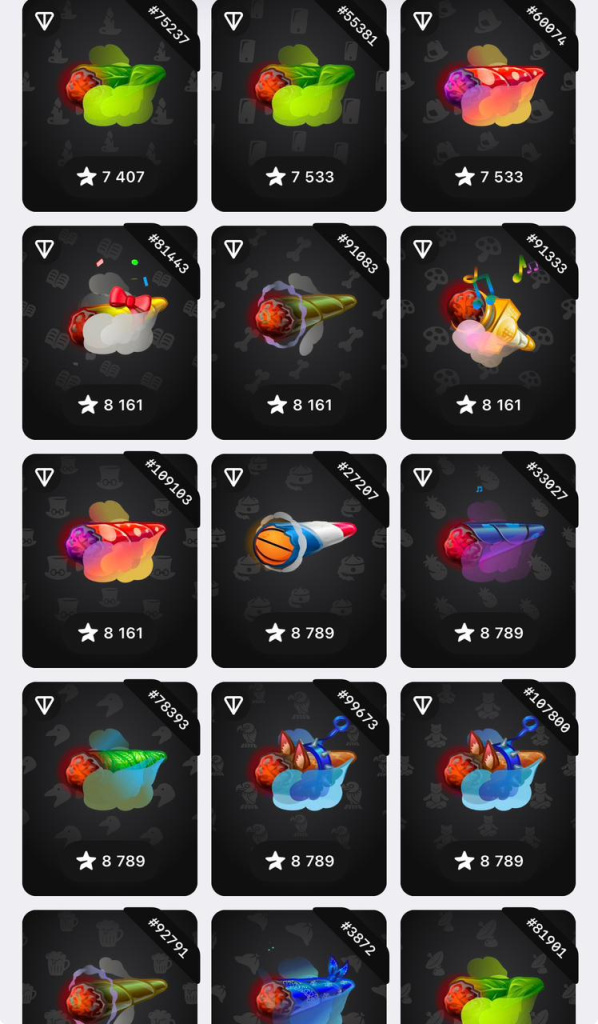
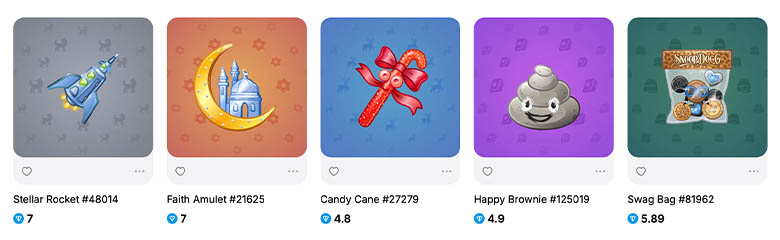
Most NFT gift collections begin with a small initial supply — often 50–100 items or a limited batch of “mystery boxes.” Many projects introduce rarity tiers such as grail, legendary, rare, and common.
This structure creates urgency and exclusivity. A small mint number triggers FOMO (fear of missing out). Buyers assume limited supply automatically means long-term scarcity.
However, at launch, demand is typically driven by:
- Marketing hype
- Influencer exposure
- Community speculation
- Artificial scarcity narrative
At this stage, price is rarely supported by fundamentals. It is supported by attention.
2. Supply Expansion After Hype
Once early demand stabilizes, some projects expand total supply. A collection that launched with 100 NFTs may later increase to 5,000 or even 10,000 units.
This is often framed as:
- “Phase 2”
- “Ecosystem growth”
- “Community expansion”
For early buyers, however, this changes everything. The initial scarcity becomes diluted. Long-term price now depends on:
- Real buyer demand
- Active trading volume
- Distribution across wallets
- Ongoing ecosystem engagement
When supply expands significantly, value shifts from artificial scarcity to liquidity sustainability.
3. Secondary Market Dynamics and Whale Influence
After mint, NFTs move to secondary marketplaces like Getgems. This is where real market mechanics begin.
Market participants typically include:
- Retail investors
- Short-term speculators
- Large holders (whales)
- Market makers
If 10–30% or more of supply is concentrated among a few wallets, those holders can influence price direction.
Common mechanisms include:
Large holders purchase underpriced listings to prevent sharp floor price drops.
When someone lists below floor (for example, 9.7 TON when floor is 10 TON), additional listings may appear just below that level, slowing downward movement.
Frequent relisting maintains a visible minimum price, creating the illusion of stability.
These actions do not necessarily reflect organic demand — they reflect liquidity engineering.
For real-time discussions about market movements, holder behavior, and TON NFT analytics, communities like https://t.me/NftGiftUa provide active market insights.
4. The Illusion of Stability
A stable floor price does not automatically mean a healthy market.
A genuinely organic NFT market typically shows:
- Large number of unique holders
- Even supply distribution
- Consistent transaction volume
- Absence of artificial sell walls
When ownership is highly concentrated, price becomes more controllable — and therefore more fragile if major holders decide to exit.
5. Key Risks for Investors
Before investing in TON NFT gifts, consider:
- Can total supply be increased?
- What percentage is held by top wallets?
- What is the actual daily trading volume?
- Is demand organic or purely speculative?
- How deep is liquidity at different price levels?
High upside potential often comes with liquidity risk. In thin markets, exiting may be more difficult than entering.
6. Strategic Takeaways
NFT gifts are not traditional financial instruments. They operate in largely unregulated environments where:
- Marketing drives attention
- Scarcity shapes perception
- Liquidity determines survivability
- Psychology influences price
Profits are possible:
- By entering strong projects early
- By holding culturally significant or truly scarce items
- By analyzing holder concentration and liquidity structure
However, assuming automatic price growth after launch is a high-risk strategy.
Conclusion
The TON NFT gift market combines blockchain technology, behavioral economics, and liquidity engineering. Initial scarcity does not guarantee long-term value. Visible price stability may sometimes reflect managed liquidity rather than genuine demand.
A systematic approach — analyzing supply mechanics, wallet concentration, and trading volume — is essential for making informed decisions.
To stay updated on NFT market insights, emerging projects, and digital collectible trends, explore gamesua and join the Telegram discussion at https://t.me/NftGiftUa.
Understanding the mechanics behind the hype is the first step toward managing risk effectively in the TON NFT ecosystem.